Wednesday, February 6, 2019
100 Word Challenge Round 1 100WC
Egger
On a black night, I was dressed in a dark black, freshly washed tuxedo. And I had a special high-tech egg machine gun. I was ready to go to the fringe of the city and bomb some buildings. I crept closer to my target, a building with a flickering street light in front. I cocked the Thunder-Egger, and fired a round right at the 2nd floor, painting a perfect peace sign, just as I heard the sirens screeching towards me. I immediately jumped onto a small ledge, and parkoured away. My name is Zach Egger. And I do egg-graffiti.

Thursday, January 24, 2019
Weapons of the war
Weapons of the war
WW2 was a time of rapid development in weaponry, and both sides made big breakthroughs.
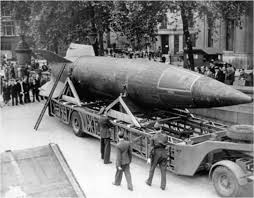 One weapon that really shocked the world back then was the first long-range guided ballistic missile, the V-2 Rocket. Devoloped in secret by the Nazi’s, V2’s killed thousands of civilians and were created as a last ditch effort to turn the tables on the Allied forces. The rockets killed 2,724 people during the period of the war that was left to complete.
A plane, named the Hawker Hurricane, also made a big splash with an astounding top speed of 340 MPH and a deadly range of 468 miles with 8 0.303 machine guns. 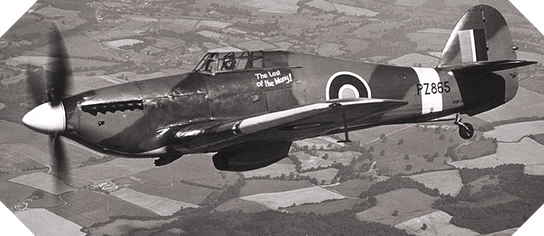
Produced by Great Britain, it was responsible for 60% of all British victories during the Battle of Britain and ultimately stopped Hitler’s advance in Europe.
Produced by Great Britain, it was responsible for 60% of all British victories during the Battle of Britain and ultimately stopped Hitler’s advance in Europe.
And last but definitely not least, perhaps the most well known weapon, the atom bomb.
 The atom bomb was developed to create a swift, quick end to the war between the US and Japan, but some were against using the bomb. They thought is was inhuman to kill civilians instead of soldiers and were worried that it would cause to many side effects. But August 6, 1945, president Harry Truman told the military that the Manhattan Project was at go, and a B-29 Bomber dropped Little Boy on the Japanese city of Hiroshima. The Americans had also supposedly dropped leaflets over the city telling citizens to evacuate.
What do you think? Was it right to use this? How would the war differed had we not invented these?
Wednesday, December 12, 2018
Asian-European Trade
Asian-European Trade
Table of Contents
Introduction Pg 3
The Who Pg 3
The Silk Road Pg 4-5
The Polo Family Pg 5-7
The journey
The Khan
The Return
The Items, The Travel, and The Bandits Pg 7-8
Conclusion Pg 8-9
Glossary Pg 9
Sources Pg 9
Introduction
Back when there were no computers, phones, GPS or any of the tech-
nology we enjoy and use today, Europe and Asia were very remote,
meaning they didn’t interact much, they were almost isolated. But
then, something happened, something very big. Soon, these two
continents were trading like mad!! What happened? What caused
these two nearly isolated continents to suddenly, almost merge
together and share their cultures? In this report, you will learn this and
more!! You will also learn about the Who, The Silk Road, the Polo
family and the items and travel of Asian-European trade.
nology we enjoy and use today, Europe and Asia were very remote,
meaning they didn’t interact much, they were almost isolated. But
then, something happened, something very big. Soon, these two
continents were trading like mad!! What happened? What caused
these two nearly isolated continents to suddenly, almost merge
together and share their cultures? In this report, you will learn this and
more!! You will also learn about the Who, The Silk Road, the Polo
family and the items and travel of Asian-European trade.
The Who
Some very recognisable people involved in this concept of trade were,
the Polo family, Kublai Khan, and the government of Rome (Eagle), and
China (Dragon), and Kublai Khan, the ruler of the colossal Mongol Empire,
covering about ⅕ of the land on Earth at its height. Khan was somewhat
tolerant about the presence of Europeans, and even warmly welcomed
them. Khan was also happy about merchants, something that the former
Chinese government had looked down on. The Khan would then die in
1294 as he had been overweight a sick for a while, so his grandson, Temur,
would then inherit the title of Khan to Mongolians and the Yuan Emperor to
the Chinese But before all of this even happened, Rome was in total shock
about a new fabric: silk. The Romans wanted to know who had created
this extraordinary fabric, so they were very excited when the flag of the
Eagle met the Chinese Dragon and immediately started trading with the
Chinese. They immediately started trading with local merchants, and the
age of trade had begun.
the Polo family, Kublai Khan, and the government of Rome (Eagle), and
China (Dragon), and Kublai Khan, the ruler of the colossal Mongol Empire,
covering about ⅕ of the land on Earth at its height. Khan was somewhat
tolerant about the presence of Europeans, and even warmly welcomed
them. Khan was also happy about merchants, something that the former
Chinese government had looked down on. The Khan would then die in
1294 as he had been overweight a sick for a while, so his grandson, Temur,
would then inherit the title of Khan to Mongolians and the Yuan Emperor to
the Chinese But before all of this even happened, Rome was in total shock
about a new fabric: silk. The Romans wanted to know who had created
this extraordinary fabric, so they were very excited when the flag of the
Eagle met the Chinese Dragon and immediately started trading with the
Chinese. They immediately started trading with local merchants, and the
age of trade had begun.
The Silk Road
One major trading route for this newly developed trade relation
was the Silk Road, which stretched from Rome all the way to Eastern
China, with many countries in between. Despite its name, the Silk
Road was actually not just a single road, but many smaller trade
routes linked together. Not many people actually went the whole
route, just from city to city, goods traveling along that way. Routes on
land and sea went as far as the Southern tip of India, as far North as
Mongolia, to East China, the Mediterranean Sea, through North Africa,
cutting across the Red Sea, slanting up north and landing where ever
you wanted to land. This definitely makes me think trade was a
HUGELY important thing. The Silk Road altogether was about 6,000 KM
(4,000 Miles) long. The Silk Road also upped economics. For example,
say a bundle of silk went to City A for $50, then, City A would sell it to
City C for $70, they make a $20 profit!!
was the Silk Road, which stretched from Rome all the way to Eastern
China, with many countries in between. Despite its name, the Silk
Road was actually not just a single road, but many smaller trade
routes linked together. Not many people actually went the whole
route, just from city to city, goods traveling along that way. Routes on
land and sea went as far as the Southern tip of India, as far North as
Mongolia, to East China, the Mediterranean Sea, through North Africa,
cutting across the Red Sea, slanting up north and landing where ever
you wanted to land. This definitely makes me think trade was a
HUGELY important thing. The Silk Road altogether was about 6,000 KM
(4,000 Miles) long. The Silk Road also upped economics. For example,
say a bundle of silk went to City A for $50, then, City A would sell it to
City C for $70, they make a $20 profit!!
To create such a huge and successful route, Alexander the Great expanded his empire to the East and the Han Dynasty of China expanded territory to the West, so they probably realized there was more to the world than they expected. Probably. But before this, things had been completely different, merchants in Cathay, present day China, were just commonly looked down on, were forced to wear white clothes and pay higher taxes. But this all changed because Romans couldn’t get enough of one luxurious fabric: silk. When Rome found out Cathay was producing this fantastic fabric, Cathay was immediately deemed, the “Land of Silk”. But to get to this Silk paradise, travelers needed to go through some of the harshest habitats in the world, mountains where you can’t start fires because there’s barely any oxygen, and ONE huge deserts, with TWO myths, one was that an entire army was caught in a dry wind and died, and when people tried to move the bodies the arms snapped off because they were so dry, and the other myth is that it is supposedly haunted by demons. Sooooooooo, I’m leaning to NOT easy?
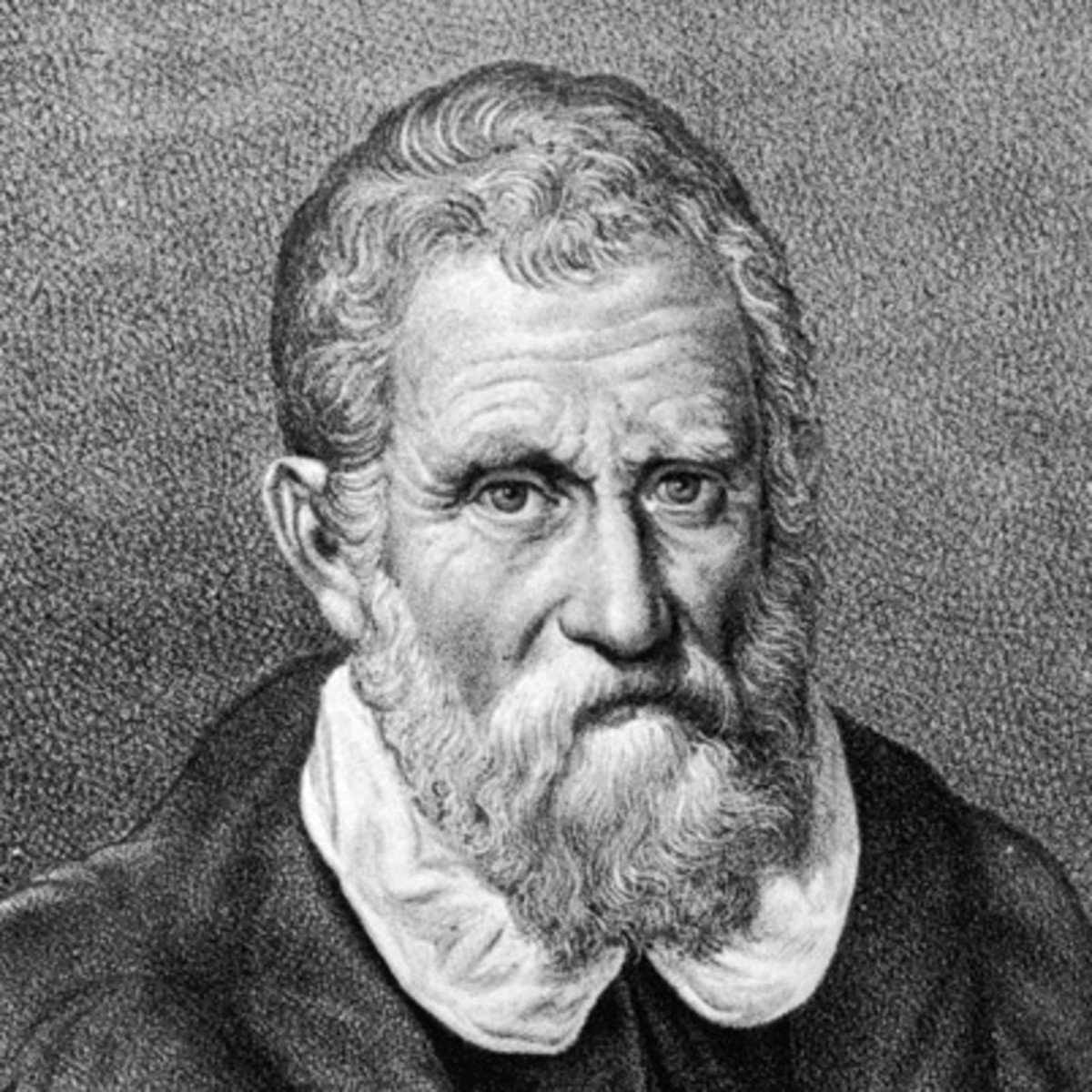
Despite all these dangers, some did get their expected riches. One very successful family of the Silk Road was the Polo family. Marco Polo first saw his dad when he was 15 years old, and immediately decided to follow his father, Niccolo, and his uncle, Maffeo, to China/Cathay. The Polo’s owned a trading depot in Sudak, across the Black Sea and had consequently become quite wealthy. They planned on making more money on their trip. And when Marcos father came home, he told stories of riches so prosperous that Marco immediately decided to go with him on a return trip. So Marco, Niccolo his dad, Maffeo his uncle and a servant set off. Kublai Khan, the supreme leader of the Mongols, we met him back in section 2, had previously given the Polos a golden passport allowing them free and safe passage through all of the Khans territory and the Polos planned on using that to their advantage. They had been sent home to travel to Constantinople, present day Istanbul, to gather holy oil and “100 learned men” to teach the Khan about the West. Unfortunately, the Pope could only muster TWO men, but they would then cowardly flee home as they learned there was battle in the area they would be traveling.
 The Journey
Marco Polo then traveled across the Gobi Desert, the demon and dry wind one, passing on sight after another. A town where most people have swollen necks and one foot larger than the other, caused by a lack of Iodine, bread that is so brackish that Marco justs spit its out, and a town so hot that by March every single leaf has shriveled up, where people dive into neck deep water to stay cool. They also reach a point where they can do some successful trading for luxurious turquoise. They found oil geysers that shot oil into the air that can be used for candles. Then, shockingly, they find a harbor with boats that are TIED together with COCONUT FIBERS!!!!!! The boats also have NO DECK!! Just skins thrown over the cargo!!!!! The Polos won’t risk traveling in one of those, so they take an alternate land route through those no-oxygen mountains back in section 3. The mountains are so high, Marco calls them “The top of the world” and it is almost impossible to start a fire because of the lack of oxygen. But there is one good thing, they discover “Marco Polo sheep”, and they supposedly taste divine!!
The Khan
Finally, in 1274-1275, The Polos arrived at the Khan’s summer palace. Marco immediately became a favorite of the Khan. Then, Marco was sent to view everything in the Khan’s amazing kingdom, and then came back and reported to the Khan, telling stories of water serpents that snapped at you, crocodiles, unicorns with huge horns, rhinos(and a ridiculously bad attitude), and huge, ferocious, striped cats roaming the woods, tigers. He also talked about amazing physical features and skills that some of the people he had seen. For example, once,
 while Marco went on a trip with a local guide, they heard two tigers roaring in the distance, coming closer and closer, ready to strike, and the guide started CHOPPING BAMBOO!!! Then the guide threw the stalks onto the fire and a huge firework like noise erupted. The guide then told Marco that the stalks were hollow, so when they burned up, the oxygen inside burst, causing the loud sound. The noise scared even the fiercest, hungriest tigers. After that experience, Marco always remembered to cut some bamboo when he was starting a fire.
The Return
When the Polo’s returned from their amazing travels, people stared at their weathered faces and their Mongolian clothes, and when they knocked at the door of their home, they were told to go away! No one could believe that they were the “lost” Niccolo, Maffeo and Marco. Some say that Marco finally convinced his ever doubtful family by cutting open his jacket and pouring out a cascade of precious stones. Whatever the reason, he eventually settled down in his home for a while. After his adventures, Marco got involved in a skirmish between Genoa and Venice and landed in a Genoese prison. While in prison, he met a French romance writer named Rusticello. When Marco told Rusticello about his travels, he couldn’t believe what Marco had seen, and the two started writing a book about Marcos travels in the East. They named the book, “II Millione”, The Million, describing the million things Marco had seen. It is also called The Travels of Marco Polo. After writing the book, he said, “I have not told the half of what I saw.” After his release, he entered the trade business and as a result was involved in multiple lawsuits about property and money, finally dying on January 8, 1324.
The Items, The Travel, and The Bandits
 Now, of course, while all of this is going on, it’s pretty much impossible to stop cultures from blending, and one thing that really astonished Europeans was the concept of paper money, they were still using coins at the time. They also exchanged spices, gold, jade, ivory, cotton and other fabrics including silk. These goods commonly traveled by wagon caravans, which is a long train of wagons all going to the same destination, and this provided safety from raiding bandits. Camels were first choice pack animals because they could go several days without water and were used to the desert. Some parts of the Great Wall of China were actually built to protect traveling merchants from merciless bandits. But because there was still huge threat of bandits INSIDE the barriers of the Great Wall, each village along the Gobi Desert, would provide an escort to the next village. Pirates also attacked along the SEA route version of the Silk Road, using smoke from fires to coordinate oher pirates to join a merciless attack. Some pirates even made prisoners suspected of SWALLOWING precious stones drink a special concoction that caused them to throw up the jewels. To me that seems a little extreme because couldn’t you just wait for the digestive system to do its thing, but it is still pretty smart.
Conclusion
As you can see, Asian-European Trade shared cultures and sped up globalization. Marco Polo also helped awake Europe by writing “II Millione” with Rusticello, because when Europeans read the book, they were amazed at how developed and and advanced the Mongol Empire was!! They used heated stones for baths and had huge organized streets and marketplaces, but some Europeans didn’t like it, THEIR cities were supposed to be the best, THEY were supposed to be the most advanced. It was a wake-up call to Europe to start developing and showed them the rest of the world! And today, Europe is one of the fanciest and luxurious places in the world!! It also created commerce between cities and empires, blending cultures and shaping the world we know today. I feel that is was very important that brave people like the Polos took the risk of traveling along the Silk Road was an investment itself, it was very dangerous, but with many wonders and possible riches. What do you think? Would you travel along the Silk Road, for riches, but with many dangers?
Glossary
Cascade- A small waterfall.
Concoction- A mixture of various ingredients and elements.
Divine- Excellent or delightful.
Iodine- The chemical element of atomic number 53, also found in iodized
table salt.
Investment- the act of devoting time, energy and effort into the expectation of a worthwhile reward.
Isolated- Having little or no contact, solitary, by themselves. Alone.
Ivory- A hard, creamy-white substance. Elephant tusks are made of it.
Merchant- A trader or someone that sells/markets things.
Jade- A precious stone that is commonly green.
Prosperous- A synonym of rich.
Turquoise- An opaque, blue or green mineral.
Sources
The Travels of Marco Polo -Marco Polo and Rusticello 
You wouldn’t want to travel with Marco Polo! -Jacqueline Morley
Ducksters.com
BrainPop.com-The Silk Road
BrainPop.com-Marco Polo
Britannica School.com/school.eb.com
Images

Sunday, December 2, 2018
WWII at Home
WWII, at home and in backyards across America.
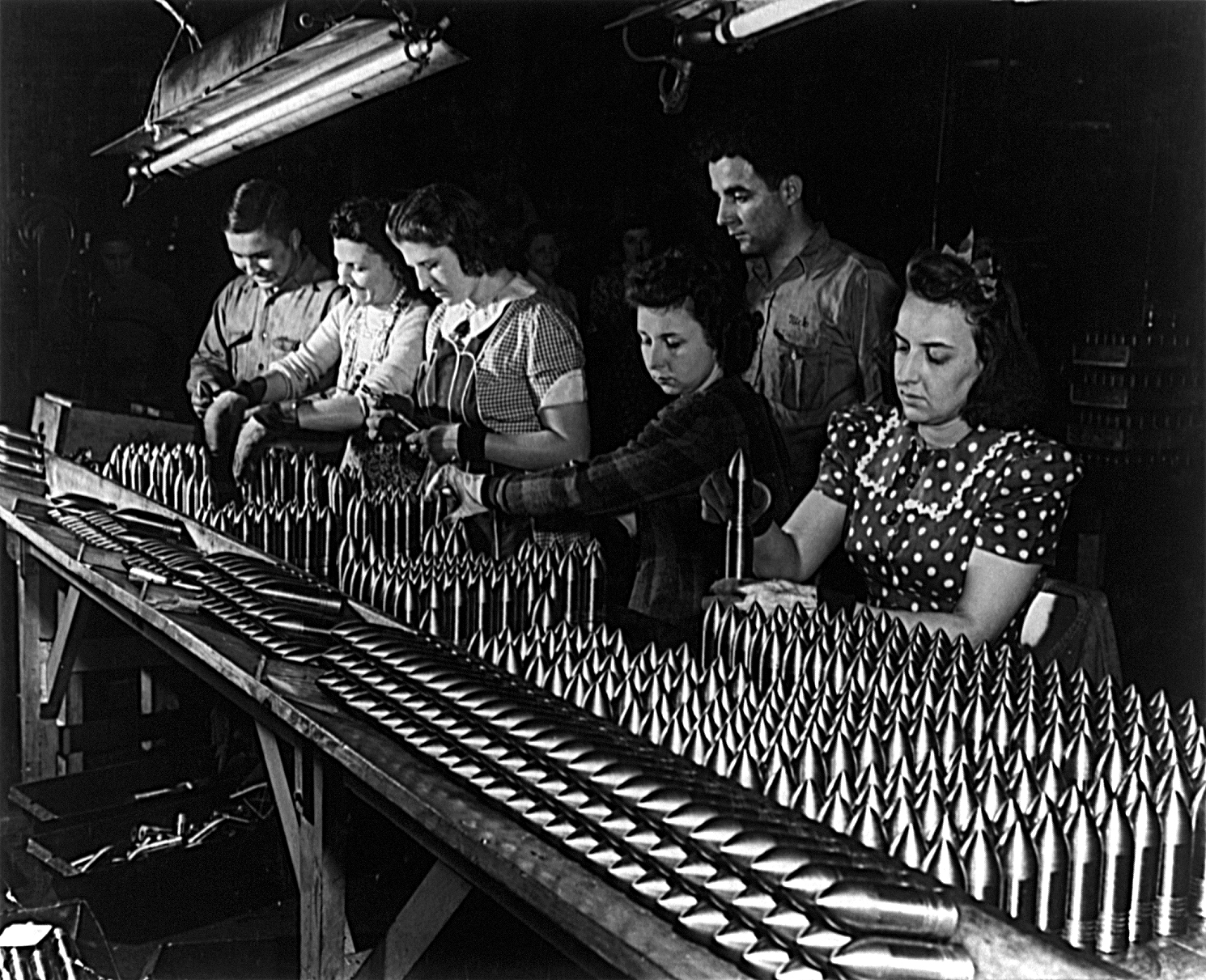
While the brunt of the war was taking place in foreign countries, the war did affect the regular american civilians. One key element was employment, as the United States was still suffering from the Great Depression, where many people went bankrupt, unemployment rates were as high as 25% and standard living was 60% LESS after the stock market crash of 1929. But when the war began, everything began to change, more people had to produce food and weapons for the military and as more and more men were pulled away to the front lines, women began to take over their jobs on the assembly lines. Before, women had been discouraged to work outside of their homes, but now they were doing jobs often thought of as “Mens Work”. Soon, .30 and .50 caliber machine gun ammo began coming of lines from a factory in Ankeny, Iowa, a facility with over 19,000 employees.
Another famous woman in the war was Susan Travers, who escaped to London when France fell to Nazi Germany, and joined the Free French Forces. When she was besieged in Libya, she personally led 2,500 Allied troops to safety after breaking through enemy lines. After the break, her car was covered in bullet holes. These were just some of the many women warriors of the war. I think it’s amazing that just because there were many things considered “Man Jobs”, they still took it upon themselves to finish things themselves. I think it’s cool that while the war was horrifying in some places, it managed some positivity in America, as it helped employ thousands of people, and gave women more opportunities and freedom.
Friday, November 9, 2018
WWII in Asia
WWII In Asia
One reason World War 2 actually spread to Asia was because the United States was opposed to the Japanese expansion in Southeast Asia and the Pacific, which led to the attack on Pearl Harbor which forced the Pacific Campaign. The Japanese expansion began in 1931 in East Asia and continued in 1937 when they brutally invaded China and on September 27, 1940, signed the Tripartite Pact, joining the Axis powers.
One key role of World War 2 in Asia was fighting in the Pacific, in an “Island Hopping” Campaign, otherwise known as the Pacific Campaign had many combatants including, America, Japan, Great Britain and the Soviet Union, among others.
Perhaps the most famous battle in this theater was also the turning point of the Pacific Campaign: The Battle of Midway.
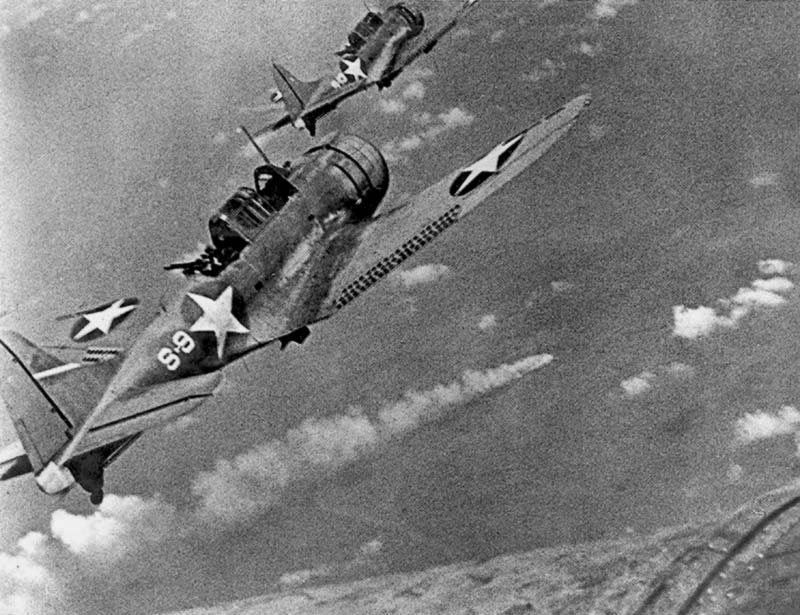 About six months after the attack on Pearl Harbor, the United States used crucial code-breaking techniques to figure out the Japanese Admiral Yamamoto was planning to attack Midway, an American controlled island. American codebreakers figured this out by catching radio waves saying that the Japanese would attack “AF”, codebreakers then suspected that “AF” was Midway, so they sent out a message saying that there was a water problem at Midway, then they intercepted another Japanese message saying that there were water problems at “AF”. Then they knew that AF=Midway. They also captured messages including all the details and formations for the battle, as early as May, even though the battle actually happened on June 4th, 1942 through June 7th, 1942. The purpose of the attempted Japanese invasion was that they were trying to destroy the American Navy’s aircraft carriers. The result was a Japanese loss of 4 carriers, a cruiser, 292 aircraft lost and 2,500 casualties. The Americans lost the Yorktown, the USS Hammann, 145 planes and 307 dead. These statistics are astounding, but was it really worth it? Was there an easier way?
Wednesday, October 17, 2018
#WhatLiftsYou
#What Lifts Me
Messi Life
Fast, Athletic, Energetic Challenge, Pride, Joy
Running, Shooting, Scoring Working, Earning, Deciding
Smart, Skillful, Legend Religion, Studies, Politics
Messi Life
Soccer
Sweaty, Tough, Dedication
Dribbling, Juggling, Shooting
Passion, Athletic, Skilful
Soccer
Summaries
Messi Life
I decided to write this poem I wanted to write this poem
about Messi because he always because life encourages
always plays his hardest, so that me to go on because there
encourages me to play my there is always some
hardest. And because interesting thing coming to
he is a professional enjoy.
soccer player.
Tuesday, October 2, 2018
WWII
WWII in Europe
This is an article about WWII, I hope you enjoy it.
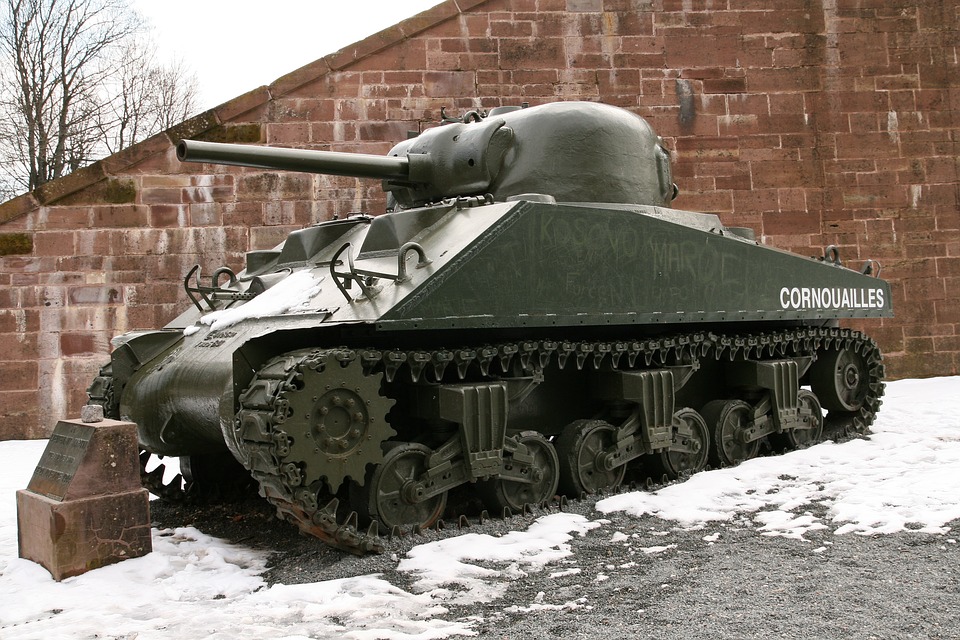
War began in Europe, when Germany invaded Poland with a new
kind of attack: blitzkrieg, which means lightning war in German.
They first bombed the target and then stormed with infantry and
newly developed Panzer tanks.
kind of attack: blitzkrieg, which means lightning war in German.
They first bombed the target and then stormed with infantry and
newly developed Panzer tanks.
↙
At first the Allies didn’t do anything, but after a while they got worried and
they did this:
they did this:
Hitler: I want that. (points to Poland)
Allies: Okay, you can have that but NO MORE.
Hitler: I want that. (points to Czechoslovakia) …..and repeat.
Then, after invading outer Czechoslovakia, the Allies made Hitler sign
a document saying that he DEFINITELY would not invade the rest
of Czechoslovakia, he was like, “O.K dudes, no biggie.” ….AND, then
everyone went home and partied because they thought eternal world
peace had been established but then some party pooper came along
and said, “hey, Hitler just invaded the rest of Czechoslovakia.” And then
everyone kicked him out of the party and got worried. Okay, maybe
not exactly like that but you get the idea.
Also, the world started teaming up into 3 sections, the Allied powers,
the Axis powers and neutral countries.
a document saying that he DEFINITELY would not invade the rest
of Czechoslovakia, he was like, “O.K dudes, no biggie.” ….AND, then
everyone went home and partied because they thought eternal world
peace had been established but then some party pooper came along
and said, “hey, Hitler just invaded the rest of Czechoslovakia.” And then
everyone kicked him out of the party and got worried. Okay, maybe
not exactly like that but you get the idea.
Also, the world started teaming up into 3 sections, the Allied powers,
the Axis powers and neutral countries.
The main Axis powers were Germany, Italy and Japan. The main
Allied powers were France, England, Russia/U.S.S.R and the United
States. This is a graph that I made that shows the different sides during world war 2.
The war started on September 1, 1939 and ended on
September 2, 1945. There were roughly 50 to 80 million deaths.
I think that’s astounding, how about you?
Please comment below if you have any questions.
Allied powers were France, England, Russia/U.S.S.R and the United
States. This is a graph that I made that shows the different sides during world war 2.
The war started on September 1, 1939 and ended on
September 2, 1945. There were roughly 50 to 80 million deaths.
I think that’s astounding, how about you?
Please comment below if you have any questions.
Subscribe to:
Posts (Atom)